
SATELLITES FALL SPACESHIPS FLY
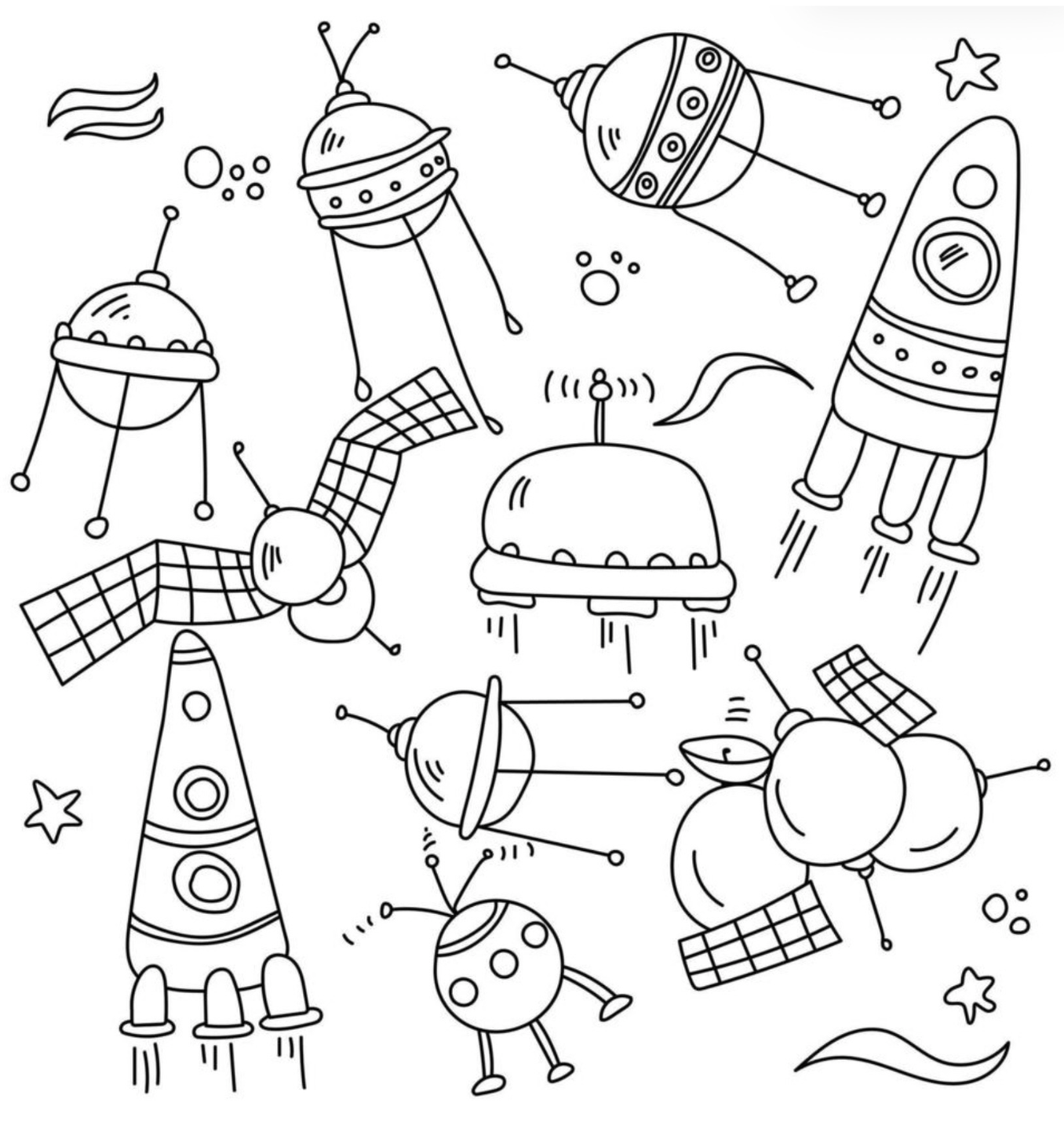
Spacecraft, satellites and their components containing hazardous materials, are engineered to different parameters than traditional packages due to weight, materials and cost constraints. Since the 1970’s, the Pipeline and Hazardous Materials Safety Administration (PHMSA) has used their Special Permits process to address the National Aeronautic and Space Administration (NASA), Department of War (DOW) and the commercial space industries' unique terrestrial transportation difficulties.
Hence, with the increased frequency of commercial spaceship launches the Department of Transportation is inviting your comments and suggestions on, among other things, ways to incorporate some of these special permits into the mainstream 49 CFR hazardous materials regulations. These topics would involve the shipping spacecraft payload components, deliveries to launch sites and recovery operations.
DOT is seeking properly compelling information, supporting data and specific examples from the public. Below is a list of the type of questions DOT posted in the January 29th, 2026 Proposed Rule.
1. During support of terrestrial space operation, what specific regulatory challenges are encountered when transporting hazardous materials?
2. Other than the HMR required standards and special permits, are there articles and devices designed and manufactured to any other specifications or industry guidelines?
3. Which hazardous material articles and devices used to transport in support of space operations are not designed or tested to DOT standards. Are there any industry-led initiatives to develop new standards for these non specification packaging?
4. What existing requirements of other Federal agencies such as NASA and DOW make the DOT regulations redundant?
5. How much DOT training do hazardous materials employees working in the space industry receive, compared to the hazardous materials industry as a whole?
6. Could the DOT 172.200 hazard communication requirements be eliminated for hazardous materials in support space operation by the use of say road closures or security escort?
7. When multiple hazardous materials, like the addition of a Class 1 explosive (e.g., an explosive squib) which are often used in satellites and safety devices, when they are integrated into a singular article. Are there ways to provide better clarity for classification of these associated hazards?
8. What specific operational controls should be considered for assembled spacecraft being transported in commerce that would ensure DOT compliance with their packaging requirements?
9. How are batteries integrated into components of spacecraft or payloads? What chemistries are being used and how are those batteries transported during the integration and spacecraft recovery processes?
10. How frequently are individual and multiple hazardous materials together transported in support of space operations and what current operational controls are used?
11. How, when, where and why are highways, rail lines, vessels and airplanes used to transport hazardous materials in support of space operations and should potential HMR provisions be limited to any specific-transport mode?
(read more about the specific questions in this proposed rule listed on Hazardous Materials Publishing’s FREE Federal Register Update Page)
Comments must be received by April 29, 2026. However, the PHMSA will consider late-filed comments to the extent possible.
** If you are located in Hawaii, Alaska, or Puerto Rico, email us directly: lisa@hazmat-tsp.com with your order information (Name, Company, ship to, bill to, number of books) and please include a phone number to call you. Thank you!
PLEASE NOTE WE CANNOT SHIP TO P.O. BOX. Thank you!
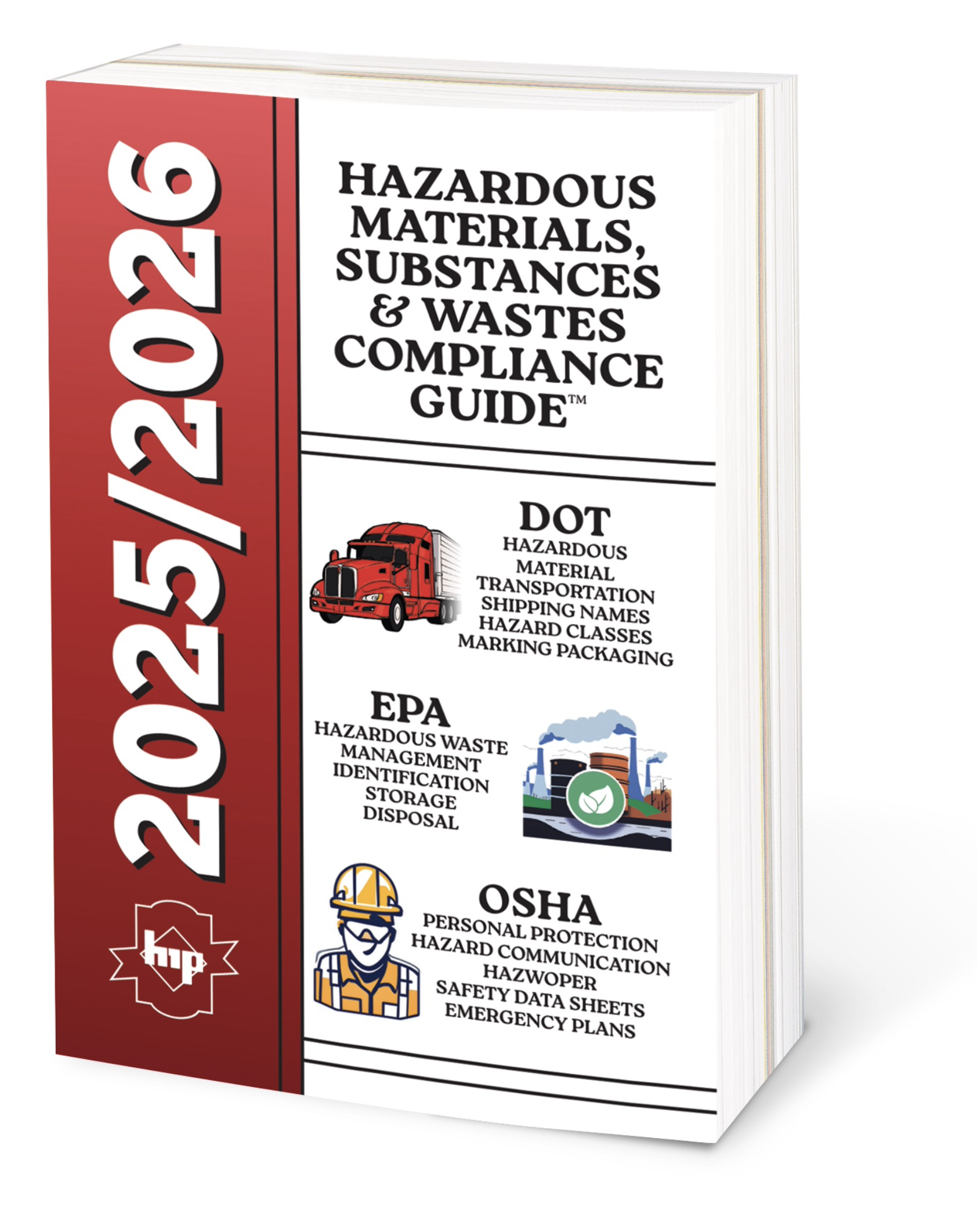
The 2025/2026 Compliance guides with the Emergency Response Guidebook contain the most up-to-date mandatory regulations covering the activities of all HAZMAT/WASTE Employees and Employers engaged in any activity, taking place in any location involving hazardous materials, chemicals, substances, or wastes.
These are the only available Compliance Guides that provide all the critical interfacing DOT/EPA/OSHA Hazard Communication and Compliance requirements for Hazardous Materials, Chemicals, Substances, and Wastes.
***If your PA Company is Tax Exempt, please email us directly with your tax-exempt information to order: lisa@hazmat-tsp.com
Please include: Name, Company, ship to, bill to, and number of books. And please include a phone number where we can reach you. Thank you!
Robert J. Keegan
Publisher and President
Transportation Skills Programs
hazmat.tsp@gmail.com
610-587-3978